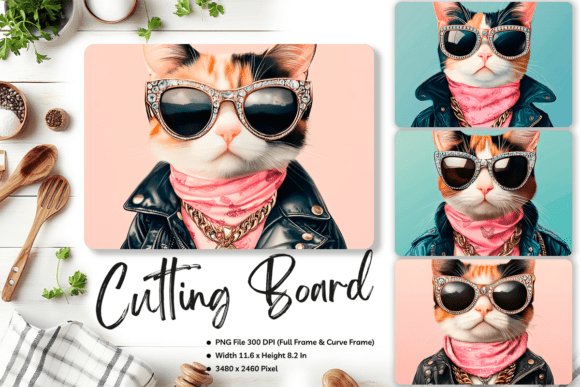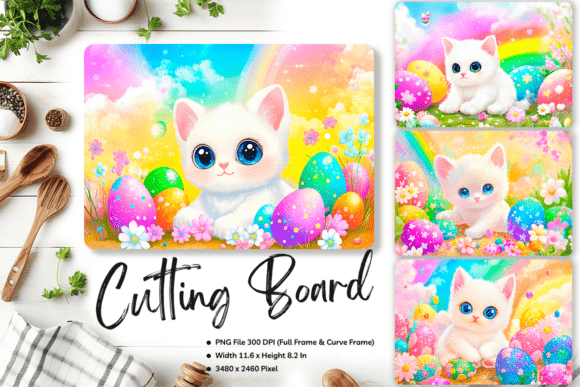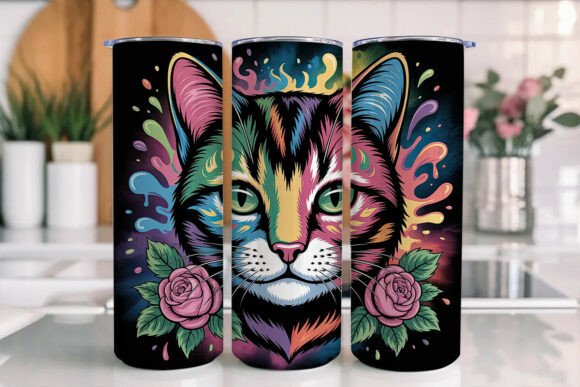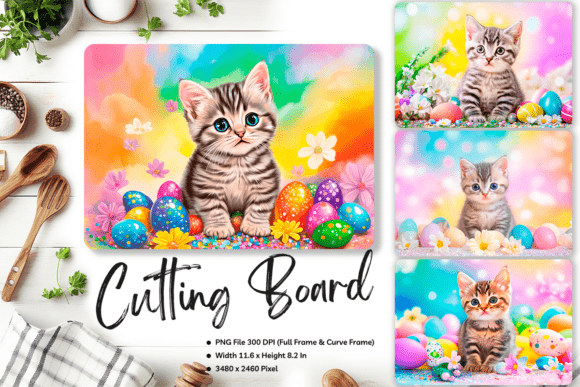
Cat Cutting Board Animal Chopping Board9 Review
As someone who has spent years evaluating digital assets for both personal crafting and commercial embroidery projects, I approach every new download with a mix of excitement and skepticism. You never know if a design will translate beautifully from a screen to fabric until you actually stitch it out. Today, I am putting Cat Cutting Board Animal Chopping Board9 through the wringer. While this product is listed under Crafts and Graphics as a sublimation template, many designers immediately think about how these visuals could be adapted or interpreted within an embroidery context. Let's dive into whether this design holds up when we talk about real-world stitching.
The First Impression: Mood and Visual Personality
When I first opened the files for Cat Cutting Board Animal Chopping Board9, the immediate feeling was one of cozy domesticity. The concept of a cat-themed cutting board suggests warmth, kitchen charm, and a touch of humor that resonates well with home cooks and animal lovers. In the world of machine embroidery design, mood is everything. A design needs to tell a story before the needle even touches the cloth.
This graphic creates a playful yet grounded vibe. It feels like something that belongs on a heavy-duty apron in a busy family kitchen or perhaps a decorative pillow cover for a nursery. The layout appears centered and balanced, which is crucial for embroidery. Unlike some chaotic designs that look good on a monitor but fall apart when converted to stitches, this one seems to have a clear focal point. However, because this is provided as a PNG digital download rather than a native vector or embroidery file, the initial challenge is visualizing how those crisp lines will translate into thread density and satin stitches.
Real-World Application: From Screen to Stitch
I decided to test the viability of Cat Cutting Board Animal Chopping Board9 by imagining it applied to a custom embroidered tote bag. This is a staple item for Etsy sellers and craft fair vendors looking to boost their brand visibility. If we were to use this image as a guide for digitizing a design, the bold shapes would work wonderfully on a canvas tote. The contrast between the cat illustration and the background would pop against natural cotton or denim fabrics.
But let's push further. What about a personalized gift? Imagine embroidering a variation of this motif onto a baby sweatshirt or a onesie. The theme fits perfectly with nursery decor or a "kitchen helper" outfit for toddlers. For a small shop owner, this design could serve as the centerpiece for a line of holiday gifts. The idea of a cat-themed kitchen accessory aligns perfectly with winter holidays, where people are looking for unique, handmade items to give to foodies and pet owners alike.
In a commercial setting, such as boutique branding, the versatility is appealing. You could adapt this into an embroidered patch for a leather jacket or a cap. The potential for creating a cohesive collection of custom apparel is strong here. Whether it is a tea towel, a blanket, or a piece of wall art, the core imagery of Cat Cutting Board Animal Chopping Board9 offers a versatile foundation for various embroidery project types.
Navigating Technical Challenges and Limitations
However, a professional review must address the hurdles. Since this product is a high-resolution PNG intended for sublimation, it is not a native embroidery file. This distinction is critical. To use this in a machine, you would need to trace the image and create your own digitization. This process requires careful consideration of stitch density.
If the original design features too many fine details, they might get lost in the stitching process. Small corners can become muddy if the hoop size is too tight or if the stabilizer isn't chosen correctly. For instance, trying to stitch intricate details on a stretchy fabric like a jersey knit t-shirt could lead to puckering. Similarly, dark fabrics present a challenge; unless you plan to use a significant amount of white underlay or a backing layer, the colors might not read clearly.
There is also the issue of texture. Embroidery adds a tactile dimension that flat graphics do not have. A design that looks smooth on a monitor might feel bulky on a finished product if the digitizer does not account for the thickness of the threads. When considering products that need frequent washing, like aprons or kitchen towels, the durability of the design becomes paramount. Dense fill stitches are great for coverage but can make the fabric stiff, which might not be desirable for soft baby clothes or delicate linens.
Design Judgment: Value and Professionalism
The success of any handmade product often hinges on its perceived value. A well-executed design elevates a simple item into a premium gift. Cat Cutting Board Animal Chopping Board9 has the potential to do this, but only if the execution matches the vision. Customers trust brands that pay attention to detail. If the final embroidery looks sloppy or if the colors clash due to poor thread colors selection, it damages the reputation of the seller.
On the flip side, a clean, well-stitched version of this design signals professionalism. It shows that the maker cares about quality. For an Etsy seller or a small business owner, this can be the difference between a one-time purchase and a loyal customer base. The design's personality makes it highly giftable, which drives engagement and social sharing. When buyers see a beautiful, finished product that captures the charm of the original graphic, they are more likely to recommend it to others.
Practical Notes for the Designer
Before you commit to using this concept for a major order, there are several steps you must take. First and foremost, always test the design on scrap fabric. This allows you to see how the fabric texture interacts with the stitch pattern without risking your inventory. Check the contrast of your chosen threads against the background material; sometimes what looks vibrant on a screen appears dull in person.
Review the stitch density carefully. If you are creating your own digitization, ensure that the satin stitch areas are not too wide, as they can cause distortion on curved surfaces like caps. Inspect small details closely; if the original PNG has tiny elements, consider simplifying them for embroidery to maintain clarity. It is also wise to test the design in black and white mockups to ensure the composition works regardless of color variations.
Don't forget the technical basics. Use proper stabilizer to support the fabric during stitching, especially if working on lightweight materials. Confirm whether the licensing terms allow for commercial use if you plan to sell finished items made with this design. Finally, compare light and dark fabric backgrounds to determine the best aesthetic match for your specific finished product.
In conclusion, Cat Cutting Board Animal Chopping Board9 is a charming asset with significant potential for creative entrepreneurs. While it starts as a sublimation template, its themes are ripe for adaptation into the world of commercial embroidery. With careful planning, thoughtful digitization, and a keen eye for detail, this design can become the star of your next collection, delighting customers and showcasing your skills as a designer.