Chic Cat Embroidery Design Review
A First Look at Chic Cat
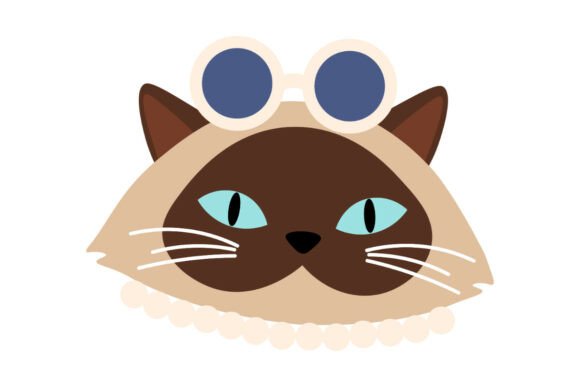
At first glance, Chic Cat feels like a breath of fresh air in the world of embroidery designs. This Siamese cat illustration is not just cute—it carries a sense of elegance and sophistication that immediately sets it apart. The bold round glasses and delicate pearl necklace give the design a touch of personality without overwhelming the eye. It’s the kind of image that makes you think, “This would look amazing on a tote bag” or “I could see this as a custom patch for a boutique brand.”
The layout is balanced, with the cat centered and facing forward, making it easy to stitch and recognizable even from a distance. The level of detail is just right—not too intricate that it becomes hard to manage on fabric, but enough to add visual interest. It has a clean, modern feel that fits well with fashion-themed projects, which aligns perfectly with its description.
Real-Life Use: Custom Tote Bag Scenario
Let’s imagine using Chic Cat on a custom embroidered tote bag. As an experienced designer, I know that the placement and scale of the design are crucial. In this case, the cat's size and proportions make it ideal for a medium-sized tote. The glasses and necklace are small enough to be detailed yet not distracting. If stitched properly, the design would add a charming, branded element that customers would love.
For a tote bag, the fabric is usually a bit heavier, so I’d recommend using a stabilizer to keep the stitches tight and prevent puckering. The thread colors should match the background fabric—maybe a light cream or navy blue—to ensure the cat stands out without being too loud. Testing the design on scrap fabric first is always a good idea, especially when working with new files.
What about smaller items? Chic Cat can also work well as a patch or even a cap accent. However, I’d be cautious with very small hoop sizes. The details might get lost if the design is scaled down too much. That said, on a larger item like a sweatshirt or apron, the design shines with clarity and presence.
Where to Use and Where to Be Careful
Chic Cat is versatile, but not every surface or fabric is ideal. For instance, it may not translate well on stretchy fabrics like knits or thin cotton. These materials can cause the design to distort or lose definition after washing. Similarly, dark-colored fabrics may require extra attention to thread contrast to maintain visibility.
If you’re planning to use this on curved surfaces like caps or mugs, consider how the stitching will hold up to bending and movement. Also, avoid using it on garments with layered seams or textures, as those can interfere with stitch quality. Detailed corners or areas with tiny lettering (if any) need special handling to preserve sharpness.
Another thing to note is the density of the stitch areas. While the design isn’t overly complex, the glasses and pearls have some fine detailing that could be affected by high stitch density. Using a satin stitch for the glasses and fill stitch for the body would help maintain the illusion of depth and texture.
Visual Appeal and Customer Impact
From a customer’s perspective, Chic Cat adds a unique, stylish touch to any product. Whether it’s a personalized gift, handmade apparel, or boutique branding, the design brings a sense of charm and class that elevates the finished product. It’s not just a cat—it’s a statement piece that speaks to pet lovers, fashion enthusiasts, and those who appreciate elegant design.
For Etsy sellers or craft business owners, this design could serve as a great asset for building brand recognition. It’s subtle enough to be versatile but distinctive enough to stand out in listings. When paired with the right product—a baby onesie, a kitchen towel, or a holiday pillow cover—it can become a customer favorite.
However, the success of the final product also depends on execution. Poor stitching or incorrect color choices can diminish the overall appeal. So, taking time to review the digital embroidery file, test it in black and white mockups, and compare it against different fabric backgrounds is essential before mass production or selling.
Design Notes for Embroidery Professionals
If you're considering Chic Cat for your next project, here are a few practical tips:
- Test on scrap fabric to check how the design looks and feels when stitched.
- Check thread color contrast against your chosen fabric background.
- Review stitch density to avoid overloading the fabric or causing distortion.
- Confirm hoop size and adjust the design accordingly if needed.
- Inspect small details like the glasses and necklace to ensure they remain clear after stitching.
- Use proper stabilizer to support the fabric and maintain stitch quality.
- Test in black and white mockups to evaluate how the design translates on different backgrounds.
- Compare light and dark fabric options to find the best match for your project.
- Ensure licensing allows commercial use if you plan to sell finished products or digital assets.
Remember, no matter how beautiful a design is, its true value comes from how well it’s executed. Chic Cat has all the potential to be a standout addition to your portfolio or shop—but only if you take the time to prepare and perfect it for real-world use.