Cat Cutting Board Animal Chopping Board7 Design Review
When I first opened the folder for Cat Cutting Board Animal Chopping Board7, my initial reaction was a mix of curiosity and caution. As an experienced designer who has reviewed countless digital assets for real-world embroidery projects, I know that a pretty image on a screen does not always translate to a clean stitch-out. This product is listed under Crafts and Graphics, but it presents itself as a PNG digital download specifically marketed as a sublimation template. That distinction is critical. For those of us in the machine embroidery world, understanding exactly how a design behaves before we commit thread to fabric is the difference between a happy customer and a costly mistake.
The First Impression: Mood and Visual Personality
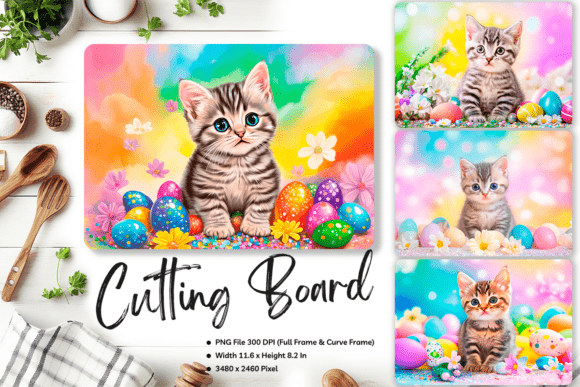
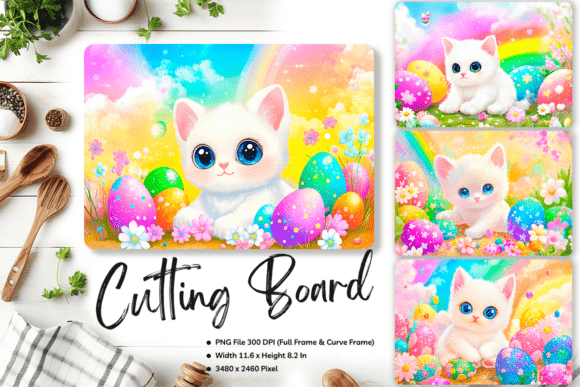
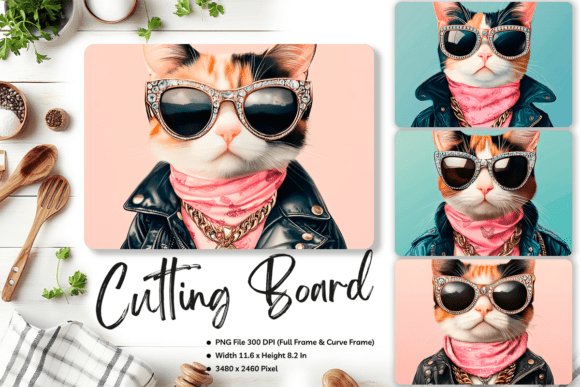
The design immediately evokes a cozy, kitchen-centric vibe. The layout suggests a playful yet functional aesthetic, perfect for items that blend utility with charm. Visually, Cat Cutting Board Animal Chopping Board7 feels like it belongs in a homey setting—a rustic kitchen towel hanging by the sink or a whimsical patch on a chef's apron. The theme is clear: feline fun meets culinary arts. However, because this is provided as a high-resolution PNG file rather than a native vector or embroidery format, the "personality" of the lines relies entirely on how well they can be digitized or traced for stitching.
If you are looking for a design that screams "handmade gift," this hits the mark. It has a distinct character that stands out against solid backgrounds, making it ideal for creating personalized products where the owner wants a touch of humor and warmth. But let's be honest about the reality of using a raster image like this for embroidery. The sharpness of the cat features will depend heavily on your own digitizing skills or the quality of the tracing process you undertake to convert this graphic into a usable embroidery file.
Real-World Application: From Screen to Stitch
I recently considered using Cat Cutting Board Animal Chopping Board7 for a custom project involving embroidered tote bags for a local boutique client. The goal was to create a set of reusable shopping bags featuring a cute cat motif that matched their branding. My thought process involved analyzing how the design would hold up on canvas or heavy cotton twill. In this scenario, the design works beautifully as a central focal point. The shape allows for a balanced composition that doesn't feel cramped when placed on the front panel of a bag.
However, the application shifts dramatically if you plan to use this for custom apparel like sweatshirts or baby clothes. For a sweatshirt, the design offers a great opportunity for a chest logo or a back print, provided you have the right stabilizer to prevent puckering. For baby items, such as a onesie or a bib, the soft, rounded nature of the cat theme is adorable, but the detail level becomes a concern. If the original PNG contains intricate fur details, trying to replicate those with satin stitch on a tiny 3-inch hoop might result in a muddy mess unless simplified.
I also envision this design thriving in the realm of kitchen towels and aprons. These fabrics have enough texture to hide minor imperfections and provide a sturdy base for dense stitching. A holiday gift set featuring a tea towel with Cat Cutting Board Animal Chopping Board7 embroidered on it would likely sell very well on platforms like Etsy. It taps into the trend of quirky kitchen decor, appealing to crafters and foodies alike. The key here is color contrast; since the design is a PNG, you must ensure your chosen thread colors pop against the fabric background to maintain visual clarity.
Navigating Limitations and Technical Challenges
We must address the elephant in the room: the file format. The product description explicitly states this is a PNG digital download for a sublimation template, not an SVG or native embroidery file. This means you cannot simply load it into your embroidery machine software. You will need to trace the image to create a valid machine embroidery design. This adds a layer of work and potential error. If you are not comfortable with manual digitizing, you may find yourself struggling to achieve the same crisp look that the digital preview promises.
Furthermore, there are specific areas where this design requires careful handling. Avoid using this on small hoop sizes unless you simplify the artwork significantly. Tiny lettering or minute details within the cat illustration will disappear or merge together when stitched at a small scale. Similarly, textured fabrics like boucle wool or highly stretchy knits can distort the geometry of the design, leading to uneven stitches that ruin the intended shape.
Dense stitch areas are another pitfall. If the design includes large fill sections, running them on thin fabric without proper backing can cause the material to pucker or tear. For curved surfaces like caps, the flat nature of the original PNG might not account for the curvature of the hat, requiring significant adjustment during the digitizing phase. Always test the design on scrap fabric first to check thread color contrast and confirm the hoop size fits your vision. If you are planning to wash the finished product frequently, ensure the stitch density is robust enough to withstand friction without fading or unraveling.
Impact on Brand Value and Customer Trust
In the world of craft business and Etsy seller ventures, the quality of your finished product speaks volumes about your professionalism. Using a design like Cat Cutting Board Animal Chopping Board7 effectively can elevate your brand perception. When customers see a well-executed, cohesive design on a handmade item, they trust the quality of your work. Conversely, a poorly executed version—perhaps one that looks pixelated or has loose threads due to rushed digitizing—can damage your reputation.
The design's versatility contributes to its value. Whether you are creating commercial embroidery for corporate gifts or personalized gifts for weddings, the ability to adapt the cat theme to different mediums increases your marketability. It serves as a strong design asset that can be repurposed across various digital product previews and physical goods. However, remember to confirm licensing terms before selling finished items. Just because you bought the digital file does not automatically grant you commercial rights to resell the embroidered product.
Practical Designer Notes for Success
Before you dive into production, keep these essential tips in mind to ensure your embroidery project succeeds:
- Test on Scrap Fabric: Always run a trial stitch-out on a piece of the actual fabric you intend to use. This helps identify issues with tension, stabilizer needs, and fabric distortion.
- Review Stitch Density: Since you are converting a PNG, manually adjust the stitch density to prevent overcrowding, which can make the design look stiff and unnatural.
- Check Thread Colors: Compare your chosen thread palette against both light and dark fabric backgrounds to ensure the design remains visible and striking.
- Inspect Small Details: Zoom in on the original image and decide which fine details are worth keeping and which should be removed to improve stitch clarity.
- Use Proper Stabilizer: Select the correct stabilizer (cut-away, tear-away, or water-soluble) based on the fabric weight and the final use of the item.
- Confirm Licensing: Verify whether the purchase allows for commercial use, especially if you plan to sell the finished handmade product.
Cat Cutting Board Animal Chopping Board7 offers a charming foundation for creative projects, but it demands respect for the technical limitations of converting raster graphics to embroidery. By approaching it with a critical eye and following best practices, you can transform this digital download into a stunning, profitable addition to your portfolio. Whether you are a hobbyist maker or a seasoned entrepreneur, thoughtful execution is the secret ingredient that turns a good idea into a great finished product.