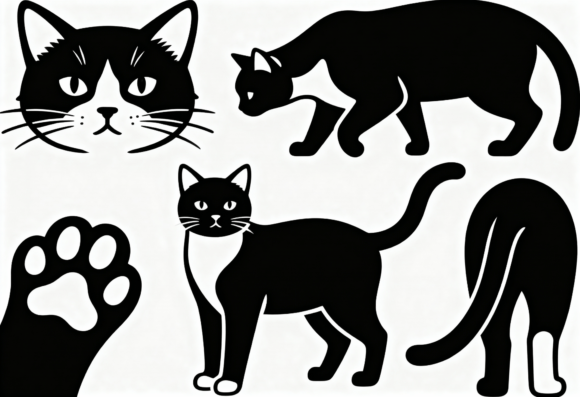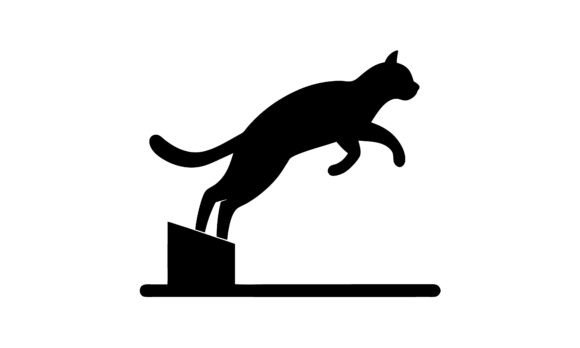
Sitting Cat Black and White Vector: A Designer's Real-World Review
I have spent years reviewing embroidery files for my own boutique line and for clients who need reliable assets for their handmade shops. When I first encountered the Sitting Cat Black and White Vector, it didn't scream "viral product." Instead, it offered something far more valuable to a serious maker: clarity, simplicity, and a clean silhouette that begs to be stitched. In a market flooded with overly complex, multi-color designs that often fail on textured fabrics, this file stands out because it understands the limitations of thread.
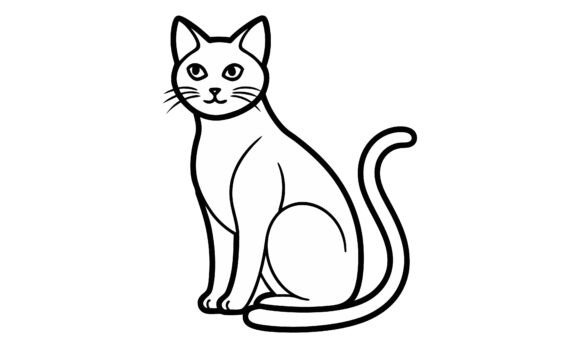
As a designer evaluating this piece for real project use, my first impression was one of immediate versatility. The high-contrast black and white theme is not just an aesthetic choice; it is a practical decision that ensures the design remains legible regardless of the fabric color you choose. Whether you are working with dark denim or soft pastel cotton, the stark outline of the cat provides a strong visual anchor. This isn't just a Graphics asset; it is a foundational element for a machine embroidery design that respects the medium.
From Digital File to Finished Product: A Real Project Scenario
To truly understand the potential of the Sitting Cat Black and White Vector, let me walk you through how I would deploy this in a commercial workflow. Imagine you are preparing a collection of custom embroidered tote bags for an upcoming craft fair. You want something that appeals to cat lovers but doesn't look like a generic clip-art print. You select the Sitting Cat Black and White Vector as your primary motif.
The beauty here lies in its adaptability. Because the original file is a vector silhouette, you can manipulate the stitch density and thread colors to suit your brand palette without losing the integrity of the shape. For the tote bag project, I might use a thick satin stitch in charcoal grey against a natural canvas background, letting the negative space define the cat's features. The result is a sophisticated, modern look that elevates the perceived value of the handmade product. Customers scanning the table at a booth will notice the crisp edges and professional finish, distinguishing your work from mass-produced items.
This same design could easily transition to a sweatshirt embroidery project for a cozy winter collection. On a heavy fleece, the solid fill of the cat creates a bold statement. Alternatively, for a baby item like a onesie or a bib, the gentle curves of the sitting pose feel comforting and safe. The design avoids sharp angles or jagged lines that might snag on delicate skin, making it a thoughtful choice for personalized gift items. It feels approachable yet polished, which is exactly what small business owners need when building trust with their audience.
Performance Across Different Fabrics and Applications
When evaluating any embroidery file, the devil is always in the details—specifically, how the stitches behave on different materials. The Sitting Cat Black and White Vector excels in scenarios where stability is key. It works beautifully on stable woven fabrics like twill, canvas, and cotton blends. The clean lines translate well into both satin stitch for borders and fill stitch for the body, creating a balanced texture that looks substantial without being stiff.
However, there are specific environments where caution is required. If you are planning to embroider this on a curved surface like a baseball cap, the curvature of the hat can distort the straight lines of the silhouette if the hoop size is too small or the stabilizer is insufficient. For caps, I recommend using a high-density underlay and ensuring the fabric is stretched tightly in the hoop before stitching. Similarly, while the design is robust, applying it to stretchy knits like jersey t-shirts requires a tear-away or cut-away stabilizer to prevent puckering. Without proper stabilization, even the simplest design can warp, ruining the finished product.
Textured fabrics present another challenge. While the contrast of the black and white vector helps visibility, rough textures like bouclé or heavy wool can obscure fine details. In these cases, the design performs best when the stitch count is adjusted to accommodate the fabric's thickness. If you are aiming for a rustic look on a kitchen towel or apron, the design shines. The simple silhouette mimics the charm of traditional folk art, fitting perfectly into a farmhouse or cottage-core aesthetic that is popular in craft business circles today.
Where to Exercise Caution
Not every application is a good fit for every design. With the Sitting Cat Black and White Vector, there are a few red flags to watch out for. First, avoid using this on very small hoop sizes unless you are willing to sacrifice some detail. If the design is scaled down too much, the stitch density becomes too tight, leading to thread breaks or a lumpy appearance. For tiny accessories like hair clips or small patches, ensure the file allows for adequate scaling without losing the definition of the ears or tail.
Dark fabrics can also be tricky if you plan to use a light-colored thread for the fill. While the outline remains visible, the overall impact might be muted. Conversely, using black thread on a black garment creates a subtle tonal effect that relies entirely on the sheen of the thread rather than the color contrast. For maximum visual appeal, stick to high-contrast combinations. Additionally, if you are designing for products that require frequent washing, such as baby clothes or work aprons, double-check the stitch density. Dense areas can trap moisture or detergent residue, so a slightly looser fill stitch often yields a more durable result.
Practical Notes for the Embroidery Designer
Before you rush to produce your next batch of custom apparel, there are essential steps to take. Always test the Sitting Cat Black and White Vector on scrap fabric that matches your intended final material. This step is non-negotiable for maintaining quality control. You need to verify how the thread tension interacts with the fabric grain and whether the chosen thread colors provide the desired pop.
Review the stitch density settings in your digitizing software. If the file comes with default settings, they may need adjustment based on your specific machine and thread type. Confirm the recommended hoop size to ensure the design fits comfortably without cutting off parts of the image. Inspect small details, particularly around the paws and facial features, to ensure they won't merge together during stitching.
If you are a digital product seller or an Etsy seller looking to offer mockups, this design is excellent for creating printable mockup previews. Its clean lines render well in digital formats, allowing customers to visualize the final look on various backgrounds. However, remember to check the licensing terms carefully. If you intend to sell finished items featuring this design commercially, confirm that your purchase includes the necessary rights. Using a design meant for personal use in a commercial embroidery project can lead to legal issues and damage your reputation as a responsible creator.
Ultimately, the Sitting Cat Black and White Vector is a smart addition to any designer's library. It strikes a balance between artistic flair and technical feasibility. By understanding its strengths and respecting its limitations, you can create embroidery projects that not only look great but stand up to the rigors of daily use. Whether you are crafting a holiday gift or launching a new line of boutique branding, this design offers a reliable foundation for your creativity.