Is This Tuxedo Cat Garden Flag Sublimation, F2 Right for Your Embroidery?
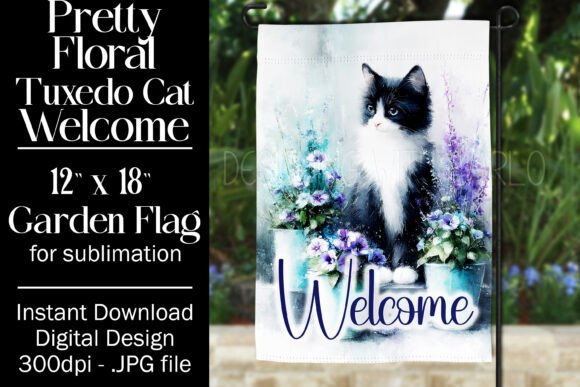
When I first opened the file for Tuxedo Cat Garden Flag Sublimation, F2, my immediate thought wasn't about the technical specs or the category tags like Crafts and Graphics. It was about the vibe. There is something undeniably charming about a tuxedo cat paired with flower pots, a combination that screams springtime, cottagecore aesthetics, and cozy home vibes. As a designer who has stitched hundreds of files for real-world clients, I know that a pretty image on a screen does not always translate to a beautiful finished product under the needle. So, before you add this to your cart for your next Etsy listing or personal project, let's walk through how this design actually performs in the hoop.
The First Impression: Mood and Layout
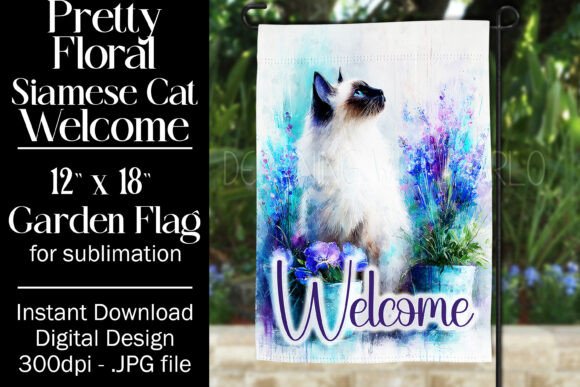
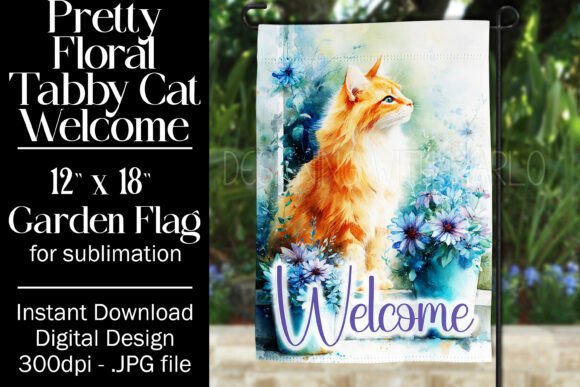
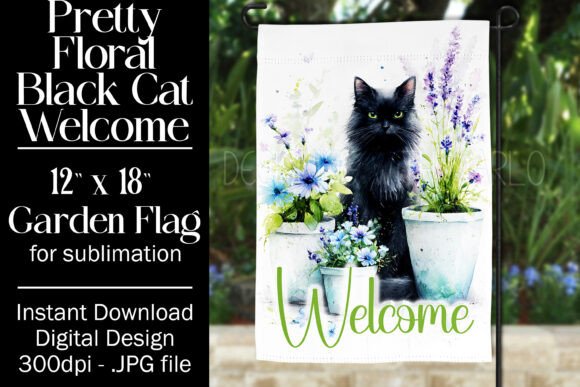
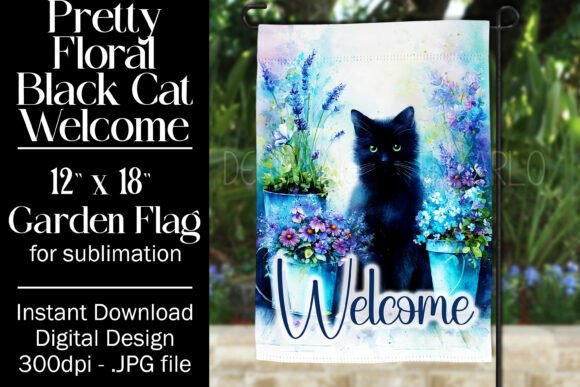
The layout of Tuxedo Cat Garden Flag Sublimation, F2 feels balanced and inviting. The subject matter—a tuxedo cat surrounded by potted blooms—creates a natural focal point that works well for vertical formats. In the context of embroidery, this kind of composition usually suggests a central placement on apparel or a centered design on home goods. The visual personality is playful yet elegant, which means it has versatility. It isn't just a cute cartoon; it carries a level of sophistication that can elevate a handmade tote bag or a nursery pillow cover.
However, the "sublimation" aspect mentioned in the title requires a moment of clarification. While this file is marketed for sublimating onto garden flag blanks, many designers love to adapt these digital assets for machine embroidery if they have the right vector conversion or if the original file includes stitch data. If you are treating this as a source image for digitizing your own embroidery design, the high contrast of the black and white cat against colorful flowers offers excellent potential for thread color separation. But if you are looking at this strictly as a direct-to-fabric embroidery file, you need to ensure the file format matches your machine requirements before you start stitching.
Real-World Application: From Screen to Stitch
Let's imagine a scenario. You are an Etsy seller preparing inventory for the upcoming Mother's Day season. You want to create a line of personalized aprons featuring garden themes. You pull up Tuxedo Cat Garden Flag Sublimation, F2 to see how it would look on a canvas apron. The design's charm makes it perfect for this application. The flower pots provide a nice frame, and the cat adds that emotional connection customers love when buying gifts.
But here is where practical judgment comes in. If you plan to use this for custom apparel like sweatshirts or baby onesies, the scale matters immensely. A design intended for a 12×18 garden flag might be too large for a standard cap brim or a small baby bib without significant resizing. When resizing, you risk losing the integrity of the details. The delicate lines of the flower petals or the whiskers on the cat could disappear if you shrink the design down too much for a tote bag design or a pocket embroidery spot.
For commercial embroidery projects, consistency is key. If you are selling finished products, the quality of the stitch must match the promise of the design. A tuxedo cat design relies heavily on the definition of the black fur against the lighter background. If your stitch density is too low, the black areas might show the fabric underneath, ruining the "tuxedo" look. Conversely, if the density is too high, the fabric might pucker, especially on thinner materials like tea towels or lightweight cottons used for kitchen towel designs.
Where to Be Careful: Fabric and Hoop Limitations
Not every surface is a good candidate for this design. While it looks great on rigid flag blanks, applying similar logic to flexible fabrics requires caution. If you attempt to embroider this on stretchy knit fabrics without proper stabilization, the tension from the satin stitch or fill stitch sections could distort the image, making the cat look warped.
Small hoop sizes present another challenge. If you are trying to fit this into a compact hoop for a hat patch or a shoe decoration, you might find that the corners of the flower pots get cut off. Furthermore, on dark fabrics, the light colors in the flower pots might struggle to pop unless you use a heavy underlay or a specific thread choice. For embroidered patches, the edge finishing needs to be robust, so check if the design includes a border or if you will need to add one during the digitizing phase.
Also, consider the washing frequency. Items like aprons or pillow covers go through the wash often. Dense stitch areas can trap lint or fade faster than simple running stitches. If the design relies on fine details to convey the character of the cat, those details might blur after several wash cycles if the thread quality isn't top-tier.
Impact on Visual Appeal and Brand Trust
In the world of craft business and Etsy sellers, the visual appeal of your product drives sales. A well-executed embroidery project builds customer trust. When a buyer sees a crisp, clean tuxedo cat with vibrant flowers, they assume the maker pays attention to detail. However, a poorly executed version of Tuxedo Cat Garden Flag Sublimation, F2 can do more harm than good. If the stitching looks messy or the colors clash, it undermines the professionalism of your brand.
This design has strong giftability. It fits perfectly into categories like holiday gifts, wedding favors, or personalized presents. The theme is universally liked, which reduces the risk of alienating a specific niche. When you present a mockup of this design on a printable mockup site, it should look cohesive. Ensure that the thread colors you select enhance the mood rather than fighting with the design elements. Sometimes, using a monochromatic thread palette can make the design look more modern and sophisticated, while a full-color approach leans more traditional.
Practical Designer Notes Before You Start
Before you commit to producing a batch of items, follow these essential steps to ensure success:
- Test on Scrap Fabric: Always run a test stitch on a piece of scrap fabric that matches your final material. This reveals issues with puckering, thread breaks, or tension problems before you ruin a product.
- Check Thread Contrast: Verify that your chosen thread colors provide enough contrast to define the cat's features and the flower details clearly.
- Review Stitch Density: Inspect the dense fill areas. If they look too thick, consider adjusting the density settings to prevent fabric distortion.
- Confirm Hoop Size: Ensure your machine's hoop can accommodate the design dimensions without cutting off critical elements.
- Inspect Small Details: Zoom in on the file to check for tiny lines or text that might not stitch well at smaller scales.
- Use Proper Stabilizer: Match your stabilizer type (cut-away, tear-away, or water-soluble) to the fabric weight to support the design structure.
- Verify Licensing: Crucially, confirm whether this digital embroidery file allows for commercial use. Check the license terms to ensure you are permitted to sell finished items made from this design.
If the file provided is purely a raster image for sublimation, remember that you cannot simply load it into an embroidery machine. You would need to convert it or use it as a reference for a new digitization. If it is already a stitch file, proceed with confidence but keep these practical tips in mind. By taking the time to evaluate Tuxedo Cat Garden Flag Sublimation, F2 through the lens of production reality, you ensure that your final product is not just a pretty picture, but a durable, high-quality item that your customers will cherish.