Halloween Cat Reading Book Sublimation Review
When I first opened the ZIP folder for Halloween Cat Reading Book Sublimation, my immediate reaction wasn't about the file size or the format, but rather the mood it instantly conjured. As a designer who spends hours evaluating digital assets for real-world embroidery projects, I look for that specific spark of personality that separates a generic clip-art from a design worth stitching into a finished product. This piece delivers exactly that: a whimsical, cozy atmosphere wrapped in Halloween charm. It feels less like a spooky monster and more like a quiet moment of literary delight, which makes it incredibly versatile for craft business owners looking to stand out on Etsy or at local craft fairs.
First Impressions and Design Personality
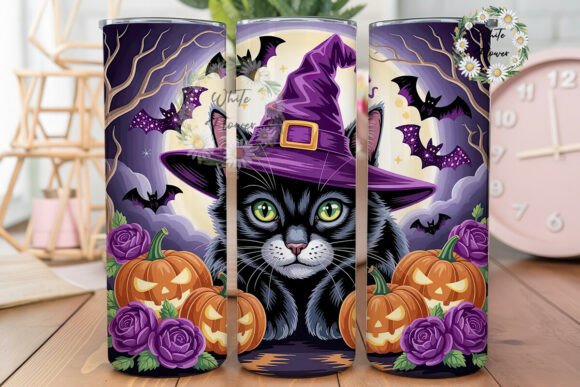
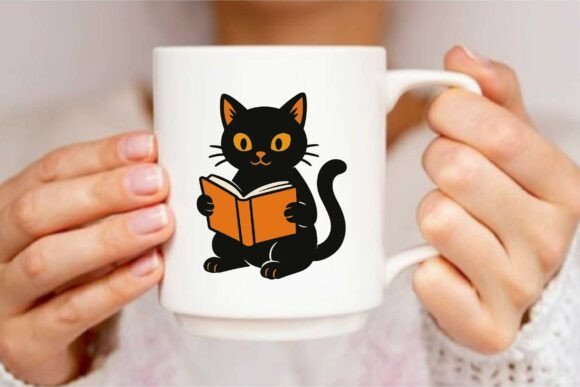
The visual narrative of Halloween Cat Reading Book Sublimation is clear from the preview. We aren't dealing with jagged teeth or chaotic energy; instead, we have a character that invites you to slow down. The layout suggests a central focal point that works beautifully as a chest logo on custom apparel or a centered motif on home decor items. For an embroidery designer, the "reading" aspect is crucial because it implies detail work—perhaps in the book pages or the cat's focused expression—that can translate well into high-quality stitch work if handled correctly.
In the realm of Crafts and Graphics, finding a design that balances seasonal relevance with timeless appeal is rare. This design avoids the trap of being too trendy, which means a sweatshirt embroidered with this cat could remain a favorite item years after October 31st. The unique shape and the implied story of the design create a strong emotional hook. When customers see a finished tote bag featuring this cat, they don't just see a picture; they see a vibe. That vibe is essential for building brand consistency in small shops where every pixel counts toward customer trust.
Real-World Application: From Screen to Stitch
Let's imagine a practical scenario. You are preparing inventory for the upcoming holiday season, specifically targeting parents looking for personalized gifts or boutique owners stocking up on autumn merchandise. You decide to test Halloween Cat Reading Book Sublimation on a soft, heather-grey cotton blend sweatshirt. The goal is a comfortable, wearable piece of art that doesn't feel stiff or overly dense.
In this context, the design performs admirably as a machine embroidery project. The concept fits naturally onto a chest area where it acts as a subtle statement piece. However, the transition from a digital preview to a physical embroidery file requires careful planning. If you were to use this on a baby onesie, the scale would need adjustment to ensure the details remain crisp without overwhelming the tiny fabric surface. Similarly, applying this to a tote bag design offers a different challenge; the canvas texture might interact differently with the stitches compared to smooth jersey knit.
I also considered using this design for a kitchen towel or pillow cover. The cozy theme aligns perfectly with home decor trends. A pillow cover featuring this reading cat could serve as a perfect gift for a librarian or a book club member during the fall season. The key here is understanding how the stitch density will affect the drape of the fabric. Dense fill stitches on a thin pillowcase can cause puckering, so testing on scrap material is non-negotiable before committing to your final product.
Navigating Technical Challenges and Limitations
While the artistic potential is high, no design is without its constraints. Halloween Cat Reading Book Sublimation demands attention to detail, particularly when working with smaller hoop sizes. If you attempt to stitch this on a cap or a hat, the curved surface might distort the delicate lines of the book or the cat's features. Curved surfaces require specialized techniques, such as using a stabilizer that provides extra support or adjusting the hooping tension to prevent the fabric from shifting.
Another critical consideration is fabric choice. Dark fabrics present a classic contrast issue. If the design relies on light threads for the book pages or the cat's eyes, you may need to add a backing layer or change the thread colors entirely to maintain visibility. Conversely, on textured fabrics like heavy denim or fleece, fine details might get lost in the weave. In these cases, simplifying the satin stitch areas or reducing the complexity of the running stitch outlines can save your project from looking muddy.
Furthermore, products that require frequent washing, such as aprons or children's clothing, need robust construction. If the design includes tiny lettering or intricate decorative accents, those elements are prone to fraying over time. For commercial embroidery projects intended for resale, durability is just as important as aesthetics. You must verify that the thread colors selected are colorfast and that the stabilizer used matches the weight of the garment to ensure the design survives the wash cycle without distorting.
Strategic Notes for the Professional Designer
Before you load this design into your machine, there are several steps to ensure your finished product meets professional standards. First, always run a test on scrap fabric. This allows you to check the hoop size requirements and observe how the design behaves under actual stitching conditions. Pay close attention to the stitch density; if the design looks too crowded in the digital mockup, it will likely be impossible to stitch cleanly without leaving gaps or creating thick, uncomfortable ridges.
It is also wise to inspect the design in black and white. Sometimes, color contrasts hide issues with line weight or spacing that become glaringly obvious once converted to grayscale. This step helps ensure that the embroidery project will look good regardless of the thread palette you choose. Additionally, compare the design against both light and dark fabric backgrounds to determine the best color scheme for maximum impact.
For those selling on platforms like Etsy or running a craft business, clarity regarding licensing is paramount. Since this is a digital product, you must confirm whether the license allows for commercial use on finished goods. Some designs restrict the number of units you can sell, while others may prohibit certain types of merchandise entirely. Always review the terms provided by the creator to avoid legal pitfalls.
Finally, consider the presentation. A printable mockup that showcases Halloween Cat Reading Book Sublimation on various products can help buyers visualize the final result. Whether it is an embroidered patch, a sweatshirt embroidery piece, or a holiday embroidery gift, the quality of the presentation often drives the sale. By taking the time to evaluate the design's strengths and limitations, you ensure that your handmade product reflects the professionalism and care that your customers expect.
In conclusion, Halloween Cat Reading Book Sublimation is a charming addition to any designer's library, provided it is approached with technical diligence. Its unique personality makes it a strong candidate for personalized gifts and boutique branding, but success lies in the execution. With proper testing and thoughtful application, this design can elevate your small shop product line and engage buyers looking for something special this season.