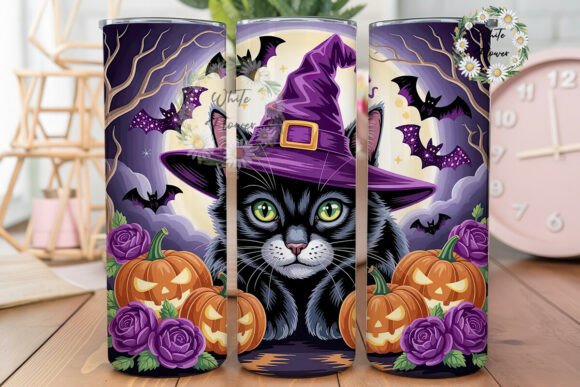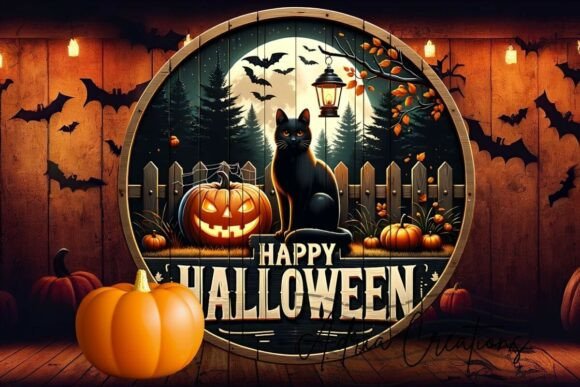
Halloween Black Cat Pumpkin Spider Bat Review
As someone who has spent years stitching custom pieces for clients and running a small embroidery shop, I know that the difference between a good design and a great one often comes down to how it translates from screen to fabric. When I first pulled up the Halloween Black Cat Pumpkin Spider Bat file, my initial reaction was one of curiosity about its potential as a centerpiece for holiday merchandise. This isn't just another generic spooky clipart; it feels like a cohesive scene designed to capture that specific mix of cute and eerie that defines modern Halloween aesthetics.
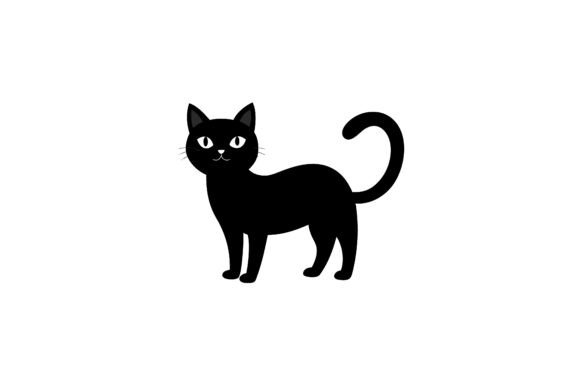
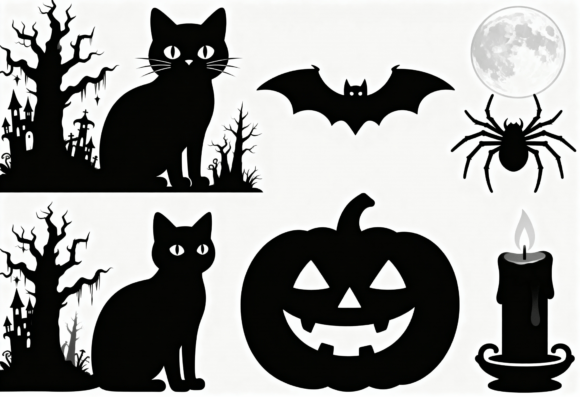
The visual personality of this design is immediately engaging. It combines classic symbols—the black cat, the pumpkin, the spider, and the bat—into a single silhouette composition. For an embroidery designer, the layout is crucial. A crowded design can look messy when stitched, but this one seems to balance negative space with dense elements effectively. The mood it creates is playful yet atmospheric, making it perfect for seasonal collections where you want to evoke nostalgia without being overly dark or scary. It feels like a natural fit for a boutique product line or a personalized gift set.
Real-World Application in Custom Apparel and Goods
I recently tested this concept by imagining it on a few key products to see if it would hold up under real-world conditions. The first scenario that came to mind was a custom embroidered tote bag. Tote bags are a staple for Etsy sellers and craft fair vendors because they offer a large, flat canvas. If I were to stitch the Halloween Black Cat Pumpkin Spider Bat onto a canvas tote using deep orange thread for the pumpkin and jet black for the cat, the contrast would be striking. The silhouette nature of the design suggests it would work beautifully as a fill stitch pattern, creating a solid, textured look that stands out against the woven fabric.
Another strong contender for this design is a baby sweatshirt or onesie. Parents love subtle, thematic clothing for their little ones during the holidays. Because the design relies on shapes rather than intricate texturing, it could be rendered in a softer color palette, perhaps using pastel purples and creams instead of traditional neon oranges. This flexibility allows the design to appeal to a broader audience beyond just hardcore Halloween enthusiasts. Imagine a mother buying a personalized gift for her nephew; seeing this charming grouping of creatures on his new hoodie would likely trigger an immediate emotional connection.
For those looking to expand into home decor, the design also shines on pillow covers or kitchen towels. A tea towel featuring this motif adds a festive touch to a holiday gathering. However, the success here depends heavily on the stitch density. If the fill stitches are too tight, the fabric might pucker, ruining the drape of the towel. But if managed correctly, the Halloween Black Cat Pumpkin Spider Bat becomes a conversation starter at any dinner party, blending functionality with seasonal charm.
Where Caution Is Required
While the design has high potential, every experienced embroiderer knows that not every surface is created equal. There are specific scenarios where this design requires careful handling. Small hoop sizes are a primary concern. If you attempt to stitch this entire scene on a 4x4 inch hoop, the details of the spider legs or the bat wings might become indistinguishable blobs of thread. In such cases, the design loses its clarity, and the finished product looks amateurish rather than professional.
Textured fabrics present another challenge. While linen or denim can add character to a project, the uneven surface of these materials can cause the needle to skip or the thread to break, especially in the finer details of the silhouette. Similarly, stretchy fabrics like jersey knit require extra stabilizer support. Without proper backing, the tension of the satin stitches used for the outlines could distort the fabric, causing the shirt to warp after washing.
Dense stitch areas are also worth noting. If the design includes large blocks of fill stitch, the weight of the thread can make the garment stiff and uncomfortable. This is particularly true for items worn directly against the skin, like baby clothes. You must ensure the stitch count is optimized so the final product remains soft to the touch. Additionally, curved surfaces like caps pose a difficulty; while possible, the distortion inherent in cap hoops means the circular arrangement of the cat and pumpkin might appear skewed unless the digitizing accounts for the curvature perfectly.
Impact on Brand Value and Customer Trust
In the world of handmade businesses, the quality of your embroidery speaks volumes about your brand. Customers can tell when a design is well-executed versus when it is rushed. A clean, crisp version of the Halloween Black Cat Pumpkin Spider Bat elevates the perceived value of the item. It signals professionalism and attention to detail, which builds trust with buyers. Conversely, a poorly stitched version with loose threads or misaligned elements can damage your reputation quickly.
This design offers excellent versatility for commercial projects. Whether you are creating digital mockups for an Etsy listing or producing physical goods for a craft fair, the silhouette style ensures that the image remains recognizable even at smaller scales. This makes it ideal for decorative accents on larger garments or as a focal point on smaller accessories like patches. The ability to adapt the color scheme allows you to maintain brand consistency across different product lines while keeping the core imagery fresh and relevant.
Practical Designer Notes for Success
Before committing to a full production run, there are several steps every designer should take. First and foremost, test the design on scrap fabric. This simple step reveals issues with thread tension, stabilizer choice, and stitch density that might not be apparent in a digital preview. Check the thread color contrast carefully; what looks good on a monitor may clash or disappear on certain fabric backgrounds.
Reviewing the stitch density is critical for preventing puckering. Ensure that the machine settings align with the recommended specifications for the chosen fabric type. Confirm the hoop size before starting; if the design is too large for your current setup, consider splitting the artwork or adjusting the scale. Inspect small details like the spider's legs and the bat's ears to ensure they will stitch cleanly. If they are too fine, they may require a thicker thread or a simplified path.
It is also wise to test the design in black and white mockups to verify the composition holds up without the distraction of color. Compare how it appears on both light and dark fabric backgrounds to determine the best presentation strategy. Always use the proper stabilizer for the specific material you are working with, whether it is cut-away for stability or tear-away for lightweight fabrics.
Finally, confirm the licensing terms before selling finished items or offering the digital file as part of a package. Understanding the rights associated with the Halloween Black Cat Pumpkin Spider Bat ensures you stay compliant with copyright laws and protects your business from potential legal issues. By following these practical guidelines, you can transform a simple digital graphic into a high-quality, market-ready embroidery project that delights customers and strengthens your creative portfolio.