Cute Cat Kids Puzzle Design Review
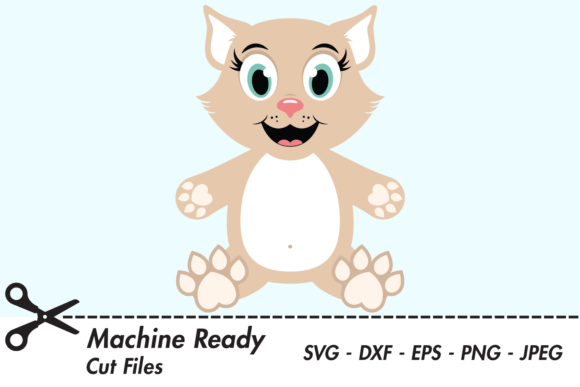
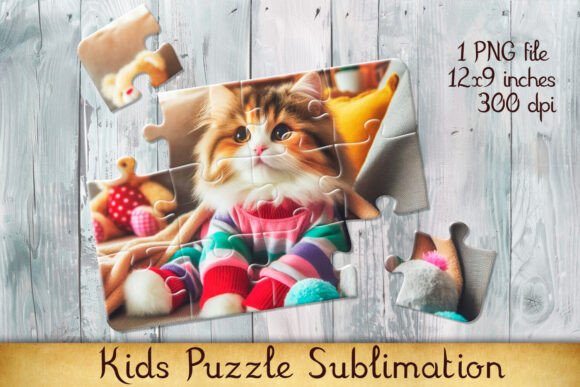
When I first opened the folder for Cute Cat Kids Puzzle Design, my immediate thought wasn't about the file size or the stitch count, but rather the vibe it projected. As someone who spends hours refining designs for real-world embroidery projects, I look for that specific spark where a graphic feels ready to be stitched into something tangible. This design immediately strikes me as a perfect fit for the Crafts and Graphics categories, specifically tailored for makers who need a playful yet structured asset. It isn't just a picture; it is a visual invitation to create something interactive and fun.
The illustration itself captures a distinct mood: whimsical, engaging, and undeniably child-friendly. The puzzle motif suggests activity and problem-solving, which translates beautifully when converted into thread. For an embroidery designer, the shape of a puzzle piece offers a unique challenge compared to standard organic shapes like clouds or hearts. It demands precision in the outline to ensure the interlocking edges remain crisp. My initial assessment is that this design possesses a strong visual personality that would stand out on a custom tote bag or a baby onesie, instantly grabbing attention without being overwhelming.
From Digital File to Finished Product
Let's imagine a real-life scenario. You are preparing for a holiday craft fair or updating your Etsy shop with new inventory. You need a product that appeals to parents looking for personalized gifts or unique boutique items. You decide to use Cute Cat Kids Puzzle Design on a canvas tote bag intended for a local daycare center. The concept is simple: a "Puzzle Time" bag for little ones to carry their art supplies.
In this context, the design performs exceptionally well. The bold lines of the puzzle pieces allow for a clear definition even when embroidered on a textured fabric like heavy-duty canvas. When you run this through your machine, the contrast between the cat features and the puzzle background creates a layered effect that adds depth to the finished product. Customers browsing your booth would likely pause at this item because it tells a story—it implies playfulness and learning. The design elevates a standard tote bag from a generic accessory to a thoughtful, themed gift.
Similarly, consider using this design for a sweatshirt embroidery project for a youth group or a family reunion. The puzzle theme works perfectly for concepts involving teamwork or putting things together. When stitched onto a soft fleece sweatshirt, the fill stitches can mimic the texture of the paper puzzle, adding a tactile element that kids love to touch. The layout is spacious enough to accommodate a name or date underneath, making it a versatile base for personalized products. However, the success of this application relies heavily on how you manage the stitch density. If the density is too high, the fabric might pucker; if too low, the details of the cat's face could get lost in the pile of the fleece.
Where to Exercise Caution
While Cute Cat Kids Puzzle Design has many strengths, every experienced designer knows that no single design fits every surface. There are specific scenarios where you must exercise caution. First, avoid placing this design on small hoop sizes, such as those used for socks or tiny patches. The intricate corners of the puzzle pieces require enough space to render cleanly. On a 4x4 inch hoop, the fine details of the cat's whiskers or the interlocking tabs might merge into a blob, ruining the professional look of the embroidery project.
Textured fabrics present another hurdle. While heavy canvas works well, highly textured materials like chunky knits or bouclé can obscure the clean lines of the puzzle pattern. The thread might not lay flat against the bumps, leading to an uneven finish. Additionally, stretchy fabrics like jersey or spandex require careful stabilization. If you attempt to embroider this directly onto a thin, stretchy t-shirt without a proper tear-away or cut-away stabilizer, the tension of the satin stitch could cause the fabric to warp, distorting the geometric shape of the puzzle.
Dense stitch areas are also worth noting. If the design includes significant fill work within the puzzle pieces, it may become stiff. This stiffness can be uncomfortable on a baby's clothing or a pillow cover that needs to be pliable. Furthermore, dark fabrics pose a visibility risk. If the background of the puzzle is dark and the thread colors chosen are similar in value, the design will lack the necessary pop. Always test color combinations before committing to a full production run.
Practical Notes for the Embroidery Designer
To ensure your final output matches the quality of the digital preview, there are several technical steps you should take before starting your machine embroidery design process. First and foremost, always test the design on scrap fabric that matches the weight and texture of your final product. This allows you to see how the thread colors interact with the material and whether the hoop size accommodates the design dimensions without cutting off critical elements.
Inspect the small details closely. Look at the corners of the puzzle pieces and the facial features of the cat. Do they appear sharp in the digitized preview? Sometimes, what looks good on a screen can lose definition when stitched. Running a black and white mockup can help you visualize the contrast levels without the distraction of color. Compare how the design looks on both light and dark backgrounds to determine if you need to add a backing or change the thread palette.
Stabilization is non-negotiable. Whether you are creating an embroidered patch, a tote bag design, or a baby embroidery piece, the right stabilizer prevents puckering and ensures the stitch density remains consistent. If you are planning to sell these items as part of your craft business or as Etsy seller listings, paying attention to these details builds customer trust. A poorly executed design can damage your brand reputation, whereas a crisp, well-stitched piece reinforces professionalism.
Finally, verify your licensing terms. Before incorporating Cute Cat Kids Puzzle Design into commercial goods or selling digital files, confirm that the license permits commercial use. Many creators offer personal use only, while others provide broader rights for small businesses. Understanding these boundaries protects you from legal issues and ensures you are using the asset ethically.
Ultimately, Cute Cat Kids Puzzle Design is a strong candidate for anyone looking to add a touch of whimsy to their handmade products. Its clear structure and engaging theme make it adaptable for various applications, from holiday embroidery gifts to custom apparel. By following practical testing protocols and respecting the limitations of different fabrics, you can transform this digital asset into a standout finished product that customers will cherish.