Coffee First Then You Funny Cat PNG
In my years of reviewing machine embroidery design assets, I have learned that the most successful projects often start with a simple, relatable concept. The Coffee First then You Funny Cat PNG immediately caught my eye not just for its humor, but for its potential to translate into a tangible, high-value finished product. As a designer who frequently advises small business owners and Etsy sellers on what works in real-world applications, I decided to put this embroidery file through a rigorous mental simulation before ever touching a hoop.
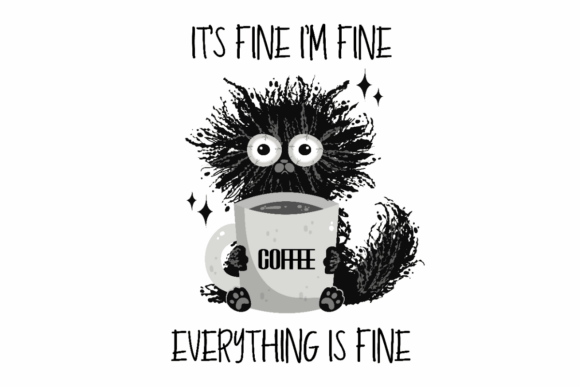
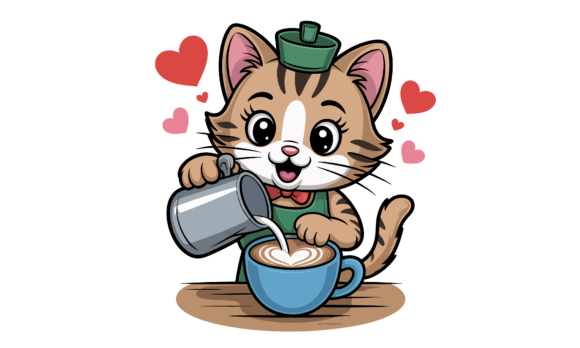
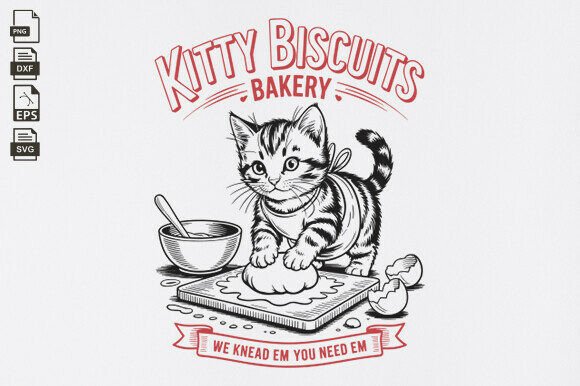
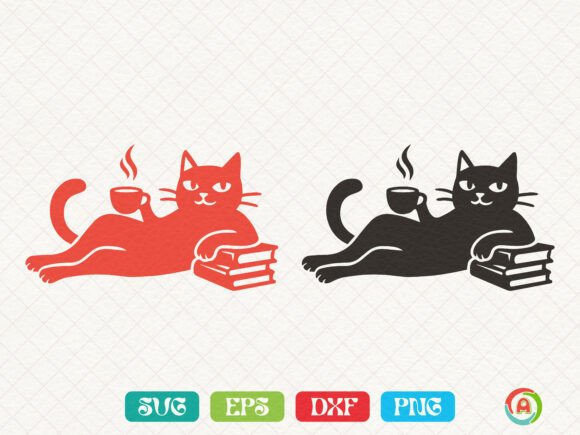
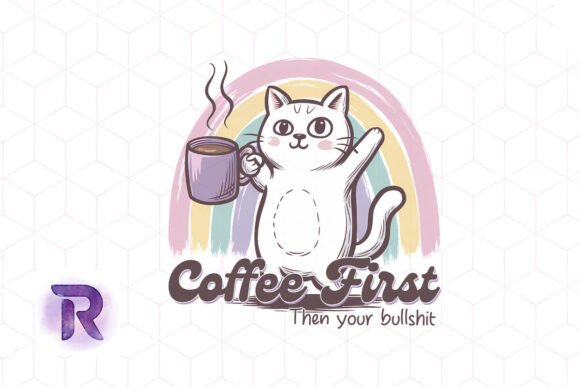
The first impression is one of cozy chaos. The layout balances the playful typography with a feline character in a way that feels organic rather than forced. It creates an immediate mood of morning warmth and gentle rebellion. For the craft business owner looking to stock their shop, this isn't just a graphic; it is a conversation starter. When you are browsing design assets, you are often looking for something that resonates emotionally. This design hits that mark perfectly for anyone who identifies as a coffee lover or a cat enthusiast. It fits naturally into the Graphics category but possesses the structural integrity needed for serious embroidery project work.
From Digital File to Finished Product: A Real-World Scenario
Let's imagine a specific scenario to understand the true value of this design. I am preparing for a local craft fair where I plan to sell custom embroidered tote bags and aprons. My goal is to create items that feel personal and handmade, not mass-produced. I pull up the Coffee First then You Funny Cat PNG and begin visualizing how it would look stitched onto a natural canvas tote bag.
The humor of the phrase "Coffee First then You" suggests a casual, everyday setting. Placing this on a sturdy tote bag used by a barista or a busy parent makes perfect sense. The design acts as a badge of identity for the wearer. However, the transition from a digital preview to physical stitching requires careful consideration. If I were to stitch this onto a baby onesie, the vibe shifts from "funny gift" to "adorable keepsake." The versatility here is significant, but it demands attention to detail regarding thread colors and fabric choice.
For a boutique selling holiday gifts, this design could be the centerpiece of a limited-edition collection. Imagine a set of kitchen towels featuring this motif alongside other coffee-themed designs. The visual appeal of the finished product relies heavily on the clarity of the lettering and the definition of the cat illustration. In a commercial embroidery context, customers pay for precision. If the satin stitch holding the text together looks muddy or if the fill stitch areas are too dense, the perceived value drops instantly. I find that this particular design has enough open space to breathe, which is crucial for maintaining that professional look.
Navigating Fabric and Stitch Density Challenges
Not every surface is created equal, and judging where to apply this design is part of the reviewer's job. While the Coffee First then You Funny Cat PNG is versatile, there are specific scenarios where caution is required. Small hoop sizes can be a trap for intricate details. If the original design includes tiny lettering or fine whiskers on the cat, attempting to stitch this on a cap or a narrow hat band might result in lost definition. The threads may crowd each other, leading to a muddled appearance that disappoints the buyer.
Textured fabrics present another hurdle. Embroidering on a heavy, nubby wool sweater can obscure the sharp lines of the design. Similarly, thin or stretchy fabrics like jersey knit require a robust stabilizer strategy. Without proper support, the tension of the stitches can pucker the material, ruining the aesthetic of the custom apparel. Dark fabrics also demand a strategic approach. Unless the design includes a substantial underlay or specific background elements, light-colored threads might get swallowed by the dark weave of the fabric. I always recommend testing the thread colors against the final fabric swatch before committing to a full production run.
Furthermore, products that need frequent washing, such as aprons or dish towels, must be evaluated for durability. Dense stitch areas can sometimes trap lint or water, leading to mildew issues if not properly dried. The design should be balanced so that the running stitch outlines and decorative accents do not compromise the longevity of the item. For an embroidered patch, the edge finish needs to be crisp to ensure it adheres well to jackets or bags without fraying over time.
Practical Notes for the Professional Designer
Before integrating this asset into your workflow, there are several technical steps that separate a hobbyist from a pro. First and foremost, always test the design on scrap fabric. This is non-negotiable. It allows you to see how the stitch density interacts with the specific grain of the cloth you intend to use. Check the contrast between the thread and the fabric; sometimes a color that looks great on a screen appears dull once stitched.
You must review the hoop size requirements carefully. If the design is intended for a larger garment but you attempt to fit it into a smaller frame, you risk distortion. Confirm whether the file is optimized for both personal and commercial projects. Licensing terms vary wildly in the digital embroidery file market, and assuming you can sell hundreds of units without checking the agreement is a recipe for legal trouble. Inspect the small details closely. Are the curves smooth? Do the corners of the letters hold their shape? These micro-details determine whether a customer views your item as a quality handmade product or a cheap knockoff.
Another critical step is to test the design in black and white mockups. This strips away the distraction of color and forces you to evaluate the composition and balance of the shapes. Compare how the design performs on light versus dark backgrounds. Does it need a contrasting border? Is the spacing adequate? Using a proper stabilizer is equally important; the wrong type can cause the fabric to shift during stitching, ruining the alignment of the text and image.
Why This Design Matters for Your Brand
In the crowded marketplace of Etsy seller listings and small shop products, standing out is essential. The Coffee First then You Funny Cat PNG offers a blend of wit and charm that resonates with a broad audience. It appeals to the coffee culture enthusiasts, the pet lovers, and anyone who appreciates a good morning routine joke. When executed correctly, this design elevates the perceived professionalism of your brand.
Customers trust businesses that deliver consistent, high-quality results. A well-stitched handmade product signals care and attention to detail. When a buyer receives a personalized gift or a piece of custom apparel that features a clear, crisp version of this design, they are more likely to return. The design serves as a visual anchor that reinforces your brand's personality. Whether you are creating holiday embroidery items, wedding gifts, or nursery decor, this asset provides a solid foundation for creative expression.
Ultimately, the success of any embroidery project depends on the synergy between the digital file and the execution. The Coffee First then You Funny Cat PNG is a strong contender in the world of graphics for crafts. It offers a delightful mix of utility and humor. By approaching it with the right technical preparation—checking densities, testing fabrics, and respecting licensing—you can transform a simple digital image into a cherished physical object. For designers, makers, and entrepreneurs alike, this design is a tool that, when used wisely, can bring joy to clients and profit to your bottom line.