Cat in Dress Clipart: A Designer's Embroidery Review
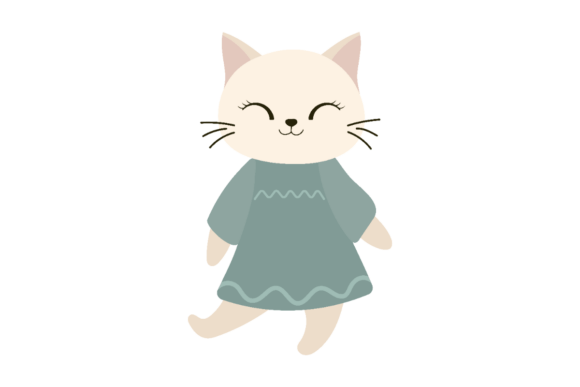
When I first opened the Cat in Dress Clipart, my immediate thought wasn't about stitch counts or file formats. It was about the vibe. There is something undeniably charming about a smiling cream-colored cat wearing a blue dress. As an experienced designer who has reviewed thousands of graphics for real-world application, I often find myself asking one critical question: Does this design hold up when it moves from a digital screen to a physical piece of fabric? The answer, in this case, is a resounding yes, provided you approach it with the right strategy.
This illustration falls squarely into the Crafts and Graphics categories, but its potential extends far beyond simple clip art. It possesses a specific visual personality that screams "whimsical," "child-friendly," and "approachable." For those of us building a brand around handmade goods, personalized gifts, or boutique merchandise, finding imagery that connects emotionally with customers is half the battle. This design hits that mark instantly.
From Screen to Stitch: A Real-World Scenario
Let's imagine a practical scenario. You are preparing for the upcoming holiday season or perhaps launching a new line of nursery decor. You have a client who wants a custom embroidered tote bag for their daughter's birthday. They want something unique, not mass-produced. You pull up the Cat in Dress Clipart as your central motif.
The challenge here isn't just placing the image; it's translating the soft, digital lines into thread. If you were to embroider this on a canvas tote bag, the cream-colored cat would pop beautifully against a navy or denim background. The blue dress adds a focal point that draws the eye. However, if you attempt this on a light beige apron, you might lose the definition of the cat's fur unless you adjust your thread colors significantly. In this specific project, the design works best as a standalone applique or a clean satin stitch outline, allowing the dress color to provide the necessary contrast without getting lost in the fabric texture.
I also considered using this design for a baby sweatshirt. The rounded shapes of the cat and the dress translate well to the curves of a child's garment. It feels safe, soft, and inviting. But would it work on a cap? That is where caution is needed. Curved surfaces like caps require designs with fewer intricate details to avoid distortion. The Cat in Dress Clipart has enough character to stand out, but if the hoop size is too small, the smile might flatten, losing the expression that makes the design so appealing.
Performance Across Different Projects
The versatility of this embroidery file is its strongest asset. It is not limited to just one type of product. Here is how it performs across various common projects:
- Tote Bag Design: Excellent for large, flat surfaces. The design allows for generous spacing, making it perfect for a centered chest logo or a large back print on a canvas bag.
- Sweatshirt Embroidery: Works well on fleece or cotton blends. The fill stitches in the dress will lay down smoothly, creating a soft texture that contrasts nicely with the knit fabric.
- Baby Embroidery: Ideal for onesies, burp cloths, or crib bumpers. The whimsical nature of the cat fits perfectly with nursery themes, adding a touch of joy to everyday items.
- Embroidered Patch: With a proper border added, this could easily be converted into an iron-on patch for jackets or backpacks. The distinct shape helps in defining the edges during cutting.
- Holiday Embroidery: Imagine this cat holding a tiny gift or surrounded by snowflakes on a Christmas stocking. The blue and cream palette is neutral enough to fit many winter themes while still feeling festive.
For Etsy sellers and small shop owners, this design offers a high perceived value. Customers love seeing personalized touches, and a well-executed embroidery of a cute cat can elevate a basic item into a premium gift. It signals attention to detail and care in the handmade product creation process.
Navigating Potential Pitfalls
While the design is delightful, no single graphic is a magic bullet for every situation. As a reviewer, I must highlight where you should proceed with caution. The Cat in Dress Clipart relies on smooth curves and solid blocks of color. If you try to stitch this on a highly textured fabric, such as a heavy tweed or a thick corduroy, the definition of the cat's face may get lost. The machine needle might struggle to penetrate the dense weave, leading to puckering.
Similarly, stretchy fabrics like jersey or spandex require a stabilizer that matches the stretch of the material. Without proper stabilization, the stitch density could cause the fabric to pucker around the dress area, distorting the shape of the garment. Dark fabrics present another challenge. If the cat is cream-colored, stitching it directly onto black fabric without a backing layer or a contrasting outline might make the cat disappear. You may need to add a light underlay or use a different thread color for the base to ensure visibility.
Small hoop sizes are also a limitation. If you are working on a hat brim or a small pocket, the detailed corners of the dress might become cluttered. The satin stitch used for the outline needs room to breathe. If the design is too small, the threads will overlap, creating a muddy look rather than a crisp image. Always check your hoop size before committing to the final run.
Designer Notes for Professional Results
To get the most out of this digital embroidery file, I recommend a few practical steps before starting your production run. First, always test the design on scrap fabric. This is non-negotiable. You need to see how the stitch density interacts with your specific material. Does the fabric show through? Is the tension correct?
Review the stitch types carefully. If the design uses a mix of running stitch for details and fill stitch for the body, ensure your machine can handle the transition smoothly. Sometimes, converting a complex graphic into a simpler applique design yields better results. You could cut the dress shape from a separate fabric and stitch it onto the main garment, adding dimension that pure embroidery cannot achieve.
Check the licensing terms thoroughly. If you plan to sell finished products featuring the Cat in Dress Clipart, you must confirm whether the license allows for commercial use. Many designers assume all clip art is free for resale, but this is rarely the case. Ensure you have the rights to create commercial embroidery projects with this asset.
Finally, consider the visual appeal in a mockup. Before stitching, place the design on a black-and-white version of your product photo. Does the contrast work? Will the customer recognize the cat immediately? This step helps you gauge the finished product's impact on buyer engagement. A clear, recognizable design builds trust and encourages sales.
In conclusion, the Cat in Dress Clipart is a strong contender for any creative entrepreneur looking to add a touch of whimsy to their portfolio. It balances simplicity with charm, making it suitable for everything from personal gifts to boutique branding. Just remember that successful embroidery is about more than just hitting the start button; it is about understanding the interplay between design, fabric, and technique. With careful planning and the right materials, this design can transform a simple piece of cloth into a cherished keepsake.